The Future of Industrial Design in Turkey

The Future of Industrial Design in Turkey:
The Intersection of Education, Industry, and the Public Sector

Design is one of the quietest yet most powerful indicators of a nation’s cultural development and economic competitiveness. Over the past thirty years, Turkey has grown not only through its production capacity but also through its design capability. Behind this transformation stand not only talented designers but also visionary manufacturers, educators, engineers, and public policies. At this point, the question we must ask is this: Will industrial design in Turkey merely serve production,
or will it shape the ways of living in the future?

Design Awareness: From Imitation to Innovation

The evolution of design awareness in Turkey, in many ways, mirrors the country’s path toward industrialization. In the 1990s, design was often perceived merely as “the stage that makes things look better.” Today, however, it has become a strategic asset for brands. This transformation has accelerated particularly over the past two decades, driven by the strong bonds formed between design studios and industry.

Design is no longer about “shaping what is produced,” but about “deciding what will be produced.” In other words, the designer now participates not at the end of the process, but at its very beginning—during the stages of idea generation and strategic planning. This shift proves that design is not just about aesthetics; it is the engine of innovation itself. To define this new understanding, we might use the term “Production-Oriented Innovation” a holistic approach built upon materials, technology, and user behavior that now generates not only new products but entirely new modes of production.

University–Industry Collaboration: Turning Knowledge into Products

The future of design emerges at the intersection of knowledge creation and practical application. Universities play a critical role in developing conceptual thinking, methodology, and research, while industry serves as the laboratory where this knowledge can be tested in the real world. Today, many universities conduct joint workshops, senior projects, and research centers in collaboration with industrial partners. However, most of these collaborations remain project-based.
What is truly needed is a hybrid model that fosters continuous interaction.

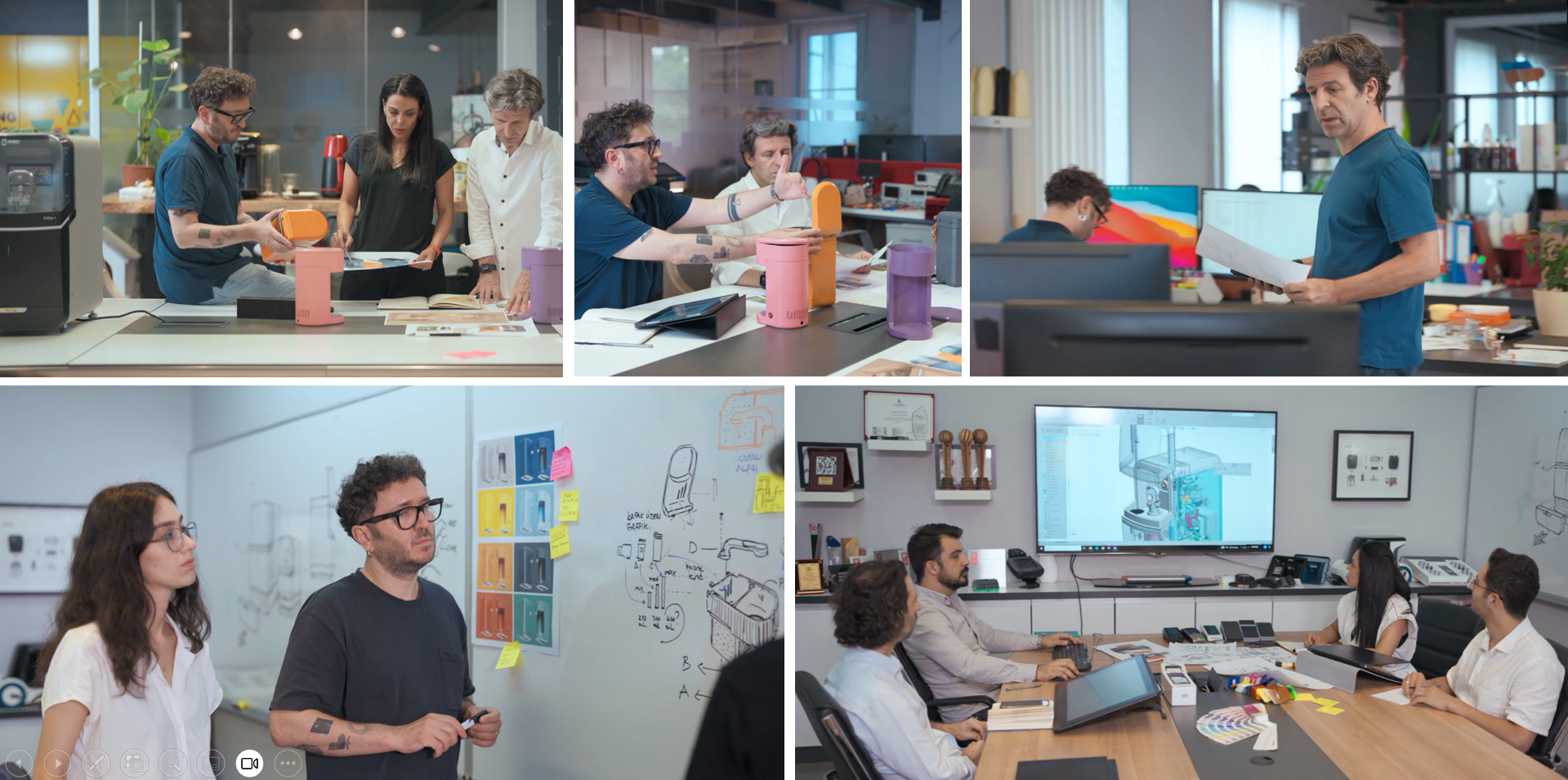
In this context, organizations like Arman Design act as bridges, creating practice-based learning environments. The convergence of real production experience with academic knowledge elevates the problem-solving capabilities of the new generation of designers to a whole new level.

The designer of the future will not only be someone who can draw but someone who can think simultaneously about
production, data, and user ecosystems.

Public Policy and the New Role of Incentives

In recent years, design incentives, export supports, and brand registration systems in Turkey have been important steps toward strengthening design awareness. Yet, the next step must be taken: design should not be seen merely as a tool to boost exports, but as a driver of social innovation and sustainable development.

In the future, public policy must evaluate not only domestic production capacity but also domestic design capability; not only economic performance but also the quality of design; and not only industrial output but also cultural impact.

New evaluation models—such as a “Design Ecosystem Index”—could measure a nation’s innovation potential not solely through R&D investments, but through its ability to think in a design-oriented way. This shift would allow the public sector, universities, and private industry to finally speak a common language.


A Culture of Native Innovation: Design Thinking in the Age of Technology

The world has entered a post-industrial era—production lines are giving way to intelligent systems, and users are transforming into active participants in communities. Turkey’s strengths—agile manufacturing, materials engineering, and a young, tech-savvy population—offer unique opportunities for design-led growth.

In this new era, designers will not only shape physical products but also design data, experiences, and sustainable systems. Within this framework, Turkey holds the potential to become a regional innovation hub through a
design-driven technological production” approach.

This transformation highlights Turkey not just as a producer of products, but as a developer of design methodologies. Work in areas such as prototyping, sensor integration, smart city solutions, and energy efficiency are tangible examples of this emerging local innovation culture—one where technology and design evolve hand in hand to define the nation’s creative and industrial future.

Arman Design’s Perspective:
A Consciousness Built Over 25 Years, an Opening Toward the Future

For a quarter of a century, Arman Design has not merely been a product development studio—it has been an active contributor to the construction of Turkey’s design culture, witnessing the nation’s transformation firsthand. This long-standing experience has helped instill in the sector a holistic way of thinking that unites engineering precision with aesthetic vision.

Today, through collaborations across diverse industries, Arman Design seeks not only to address the needs of the present but also to anticipate the challenges of tomorrow:

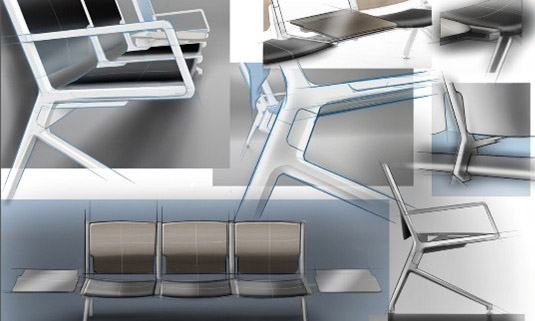
– Redefining public life through smart urban furniture,
-Building sustainable production models using recyclable materials,
-Understanding user behavior through data-driven product design.

This vision positions Arman Design as a reference point in shaping the future of design in Turkey.

“Design does not change a nation’s industry; it changes its way of thinking.”
Arman Design

Arman Design’s mission is precisely to make that transformation possible—to cultivate a mindset where creativity, technology, and responsibility coexist as pillars of innovation.

Conclusion: The Future of Design Lies Beyond Disciplines

Turkey is evolving from a country of production to a country of design. This evolution now extends beyond the creation of physical objects—it is about producing value ecosystems. Industrial design, situated at the intersection of education, industry, and the public sector, is gaining a new identity: one that unites creativity with technology, production with sustainability, and aesthetics with strategy. In the coming decades, the most successful nations will be those that regard design not merely as a profession, but as a form of national intelligence.

Turkey holds this potential in abundance. Realizing it depends on a shared vision—one that connects designers, academia, public institutions, and industry under the common purpose of designing a smarter, more sustainable, and more human-centered future.

We design
tomorrow´s
products for you!

Sign up to our newsletter

Subscribe to get news and inspiration from the world of Arman Design